BLOG
Aberlour Distillery
(Speyside Whisky Region)
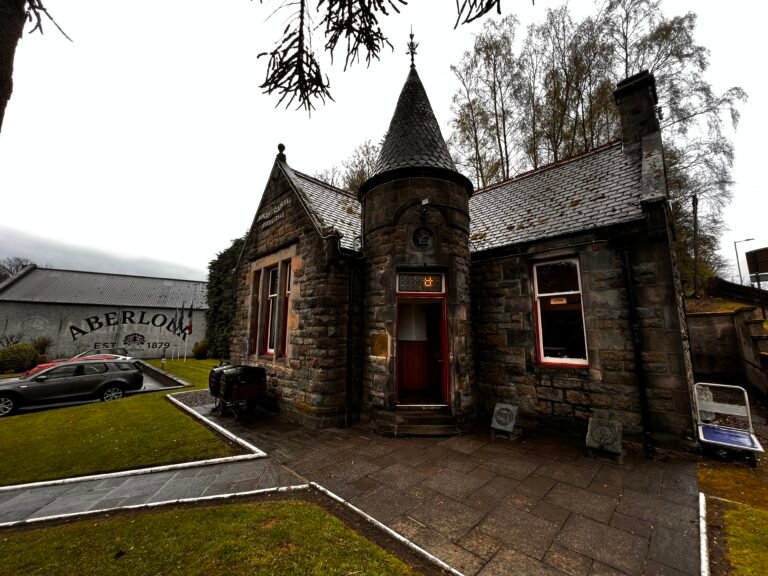
Aberlour Distillery is a well-known single-malt Scotch whisky distillery located in the heart of Speyside, Scotland. Founded in 1879 by James Fleming, the distillery is known for producing some of the finest and most sought-after whiskies in the world.
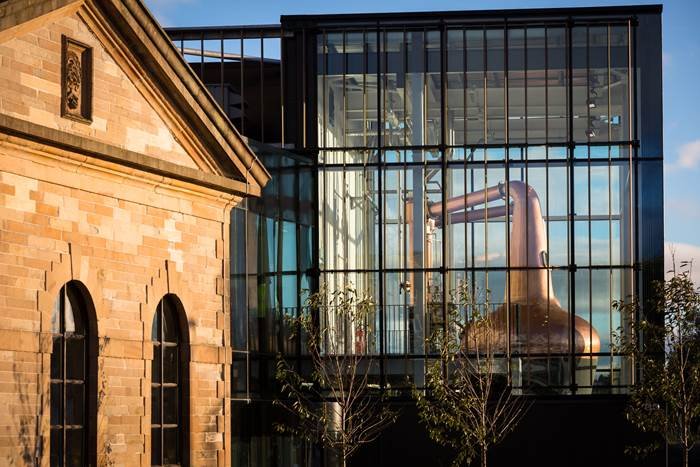
The distillery is situated in a picturesque location, surrounded by the lush green hills of Speyside and the crystal-clear waters of the River Spey. Aberlour is one of the few distilleries in Scotland that still uses traditional methods of whisky production, including copper pot stills and handcrafted oak casks.
Over the years, Aberlour has gained a reputation for producing rich, complex whiskies that are enjoyed by whisky connoisseurs all over the world. The distillery offers a range of expressions, including the popular Aberlour A’Bunadh, Aberlour 12-Year-Old, and Aberlour 16-Year-Old. Whether you’re a seasoned whisky drinker or a newcomer to the world of single malts, Aberlour has something to offer.
History of Aberlour Distillery
Aberlour Distillery is a Scottish whisky distillery located in Aberlour, Banffshire, Scotland. It was founded in 1826 by James Gordon and Peter Weir. The distillery has a long and fascinating history, which is divided into two sub-sections:
Foundation and Early Years
The Aberlour Distillery was established in 1826 by James Gordon and Peter Weir. However, Weir withdrew from the project just one year later. The distillery was then run by James Fleming, who had previously worked at the Dailuaine Distillery. In 1879, a fire broke out at the distillery, destroying the majority of the site. Fleming vowed to rebuild Aberlour further up the Spey River. The new distillery was completed in 1880 and produced its first whisky in December of that year. Fleming sold the business to his acting agents, Robert Thorne & Sons in 1892.
Expansion and Modernization
The new Aberlour Distillery was ravaged by fire again in 1898. It was rebuilt and expanded in 1899, and again in 1920. In 1945, Aberlour Distillery was acquired by Campbell Distillers. The distillery was modernized in the 1960s and 1970s, with new stills and other equipment installed. In 1974, Aberlour became part of the Pernod Ricard group of companies. Today, Aberlour produces a range of single malt whiskies, including Aberlour 10-year-old, Aberlour 12-year-old, and Aberlour A’Bunadh.
The Production Process
Aberlour distillery is located in the heart of Speyside, Scotland, and produces some of the finest single malt whiskies in the world. The distillery uses traditional methods to create its whiskies, and each stage of the production process is carefully monitored to ensure the highest quality. The production process can be divided into five main stages: Ingredients, Milling and Mashing, Fermentation, Distillation, and Maturation.
Ingredients
The first stage of the production process is selecting the finest ingredients. Aberlour uses locally sourced barley, which is malted and then ground into grist. The distillery also uses water from the Ben Rinnes mountain, which is filtered through the local granite and provides the perfect balance of minerals for whisky production. Finally, Aberlour uses yeast to aid in the fermentation process.
Milling and Mashing
Once the ingredients are selected, the barley is ground into grist and mixed with hot water in a process called mashing. This releases the natural sugars from the barley, creating a sweet liquid known as wort. The wort is then transferred to large wooden washbacks where yeast is added to begin the fermentation process.
Fermentation
The wort is left to ferment for around 48 hours, during which time the yeast converts the natural sugars into alcohol. The resulting liquid, known as wash, is then transferred to the distillation stage.
Distillation
The wash is distilled twice in copper pot stills, which are heated by direct fire. The first distillation produces a liquid known as low wines, which are then distilled again to produce a clear spirit known as new make. The new make is then transferred to oak casks for maturation.
Maturation
The final stage of the production process is maturation. Aberlour uses a combination of American oak and European oak casks, which have previously held sherry or bourbon. The whisky is left to mature for a minimum of 12 years, during which time it develops its unique flavour and character. The maturation process is closely monitored to ensure that each cask produces the highest quality whisky.
Tasting Notes
Aberlour distillery produces a range of single malt whiskies that are known for their rich, fruity, and spicy flavors. The distillery’s whiskies are made using traditional methods and are aged in a combination of ex-Sherry and ex-Bourbon casks, which gives them a unique character and depth of flavor.
The Aberlour Casg Annamh is a popular expression that is aged in ex-Sherry casks and has an ABV of 48%. On the nose, this whisky has notes of apples, pears, honey, malt, graham, orange zest, sherry sweetness, toffee, and a bit of spice. On the palate, it has a rich, creamy mouthfeel with flavors of dried fruit, caramel, and oak. The finish is long and warming, with a hint of spice and a touch of sweetness.
Another popular expression from Aberlour is the A’bunadh, which is aged exclusively in ex-Sherry casks and has an ABV of around 60%. This whisky has a deep copper-gold color and on the nose, it has notes of warm baking spice, almond, orange candy, vanilla, and burnt sugar. On the palate, it is rich and full-bodied with flavors of raisins, dark chocolate, and oak. The finish is long and warming, with a hint of spice and a touch of sweetness.
The Aberlour 12 Year Old is a classic expression that is aged in a combination of ex-Sherry and ex-Bourbon casks. On the nose, it has notes of honey, vanilla, and fruitcake, with a hint of spice. On the palate, it is smooth and creamy with flavors of toffee, dried fruit, and oak. The finish is long and warming, with a hint of spice and a touch of sweetness.
Overall, Aberlour distillery produces a range of high-quality single malt whiskies that are known for their rich, fruity, and spicy flavors. Whether you prefer a whisky that is aged in ex-Sherry casks or ex-Bourbon casks, Aberlour has something to offer for every taste and preference.
Aberlour’s Range of Single Malts
Aberlour distillery produces a range of single malt whiskies that are highly regarded by whisky enthusiasts. The distillery’s whiskies are known for their rich, fruity, and spicy flavours, which are a result of the distillery’s use of Oloroso sherry casks in the maturation process. Aberlour’s range of single malts includes both core range and limited edition whiskies.
Core Range
Aberlour’s core range consists of three whiskies: Aberlour 12 Year Old, Aberlour 16 Year Old, and Aberlour A’Bunadh.
Aberlour 12 Year Old is a smooth and easy-drinking whisky that is matured in a combination of Oloroso sherry and American oak casks. It has notes of honey, vanilla, and cinnamon, with a subtle hint of nuttiness. This whisky is a great introduction to Aberlour’s range of single malts.
Aberlour 16 Year Old is a more complex whisky that has spent an additional four years in the cask compared to the 12 Year Old. It has a higher ABV of 43% and is matured in a combination of Oloroso sherry and bourbon casks. This whisky has a rich and spicy flavour, with notes of dried fruit, dark chocolate, and oak.
Aberlour A’Bunadh is a cask-strength whisky that is matured exclusively in Oloroso sherry casks. It is a non-chill filtered whisky that is bottled at natural cask strength, which can vary from batch to batch. This whisky is known for its intense flavour, with notes of dried fruit, dark chocolate, and spices. It is a favourite among whisky enthusiasts and has won numerous awards.
Limited Editions
Aberlour also produces a range of limited edition whiskies that are highly sought after by collectors and whisky enthusiasts. These whiskies are often matured in unique casks or finished in different types of casks to give them a distinct flavour profile.
One example of a limited edition Aberlour whisky is the Aberlour Casg Annamh, which is matured in a combination of bourbon, Oloroso sherry, and virgin oak casks. This whisky has a rich and spicy flavour, with notes of toffee, cinnamon, and nutmeg.
Another limited edition Aberlour whisky is the Aberlour 18 Year Old, which is matured in a combination of Oloroso sherry and bourbon casks. This whisky has a complex flavour profile, with notes of dried fruit, honey, and oak. It is a smooth and easy-drinking whisky that is perfect for special occasions.
Aberlour’s range of single malts offers something for every whisky drinker, from the smooth and easy-drinking Aberlour 12 Year Old to the intense and complex Aberlour A’Bunadh. Whether you’re a seasoned whisky enthusiast or just starting out, Aberlour’s range of whiskies is definitely worth exploring.
The Aberlour Experience
Distillery Tours
Visitors to Aberlour Distillery can take a tour to learn about the history and process of making their single malt whisky. The tour includes a visit to the distillery itself, where guests can see the production process in action. Knowledgeable guides lead visitors through the various stages of production, from malting to maturation, and explain the importance of the unique location of the distillery in the heart of Speyside.
The tour also includes a tasting of Aberlour’s award-winning whiskies, allowing visitors to experience the flavours and aromas of this exceptional single malt.
Visitor Centre
The Aberlour Distillery Visitor Centre provides a welcoming space for visitors to learn more about the distillery and its history. The centre features displays on the production process, the history of Aberlour, and the unique characteristics of Speyside whisky.
Visitors can also view a collection of historic whisky-making equipment, including copper stills and mash tuns. The centre is staffed by knowledgeable guides who are happy to answer questions and provide information about the distillery and its products.
Shop
The Aberlour Distillery Shop offers visitors the opportunity to purchase a range of Aberlour products, including exclusive bottlings and limited edition releases. The shop also stocks a selection of whisky-related gifts and souvenirs, making it the perfect place to find a special memento of your visit to Aberlour.
Visitors can also purchase bottles of Aberlour’s single malt whisky, including the popular Aberlour A’bunadh and the rare 30-year-old 1970 vintage malt. The shop staff are knowledgeable about the different products and can provide guidance on selecting the perfect bottle to suit your tastes.
About Lowland Scottish Whisky
Scotland is well-known around the world for its high-quality whisky, and one of the major whisky producing regions in Scotland is the Lowlands. The Lowland whisky region is located in the southern part of Scotland and produces a distinct type of whisky that is known for its light, delicate, and fruity flavor profile. In this blog post, we will take a closer look at the Lowland Scottish whisky and what makes it unique.
History of Lowland Scottish Whisky
The Lowland whisky region has a long history of producing whisky, dating back to at least the 18th century. At the time, the region was home to a large number of distilleries that produced a variety of different styles of whisky. However, the number of distilleries in the Lowlands began to decline in the 20th century due to a combination of factors, including increased taxation and competition from other regions.
Today, there are only a handful of distilleries that still produce Lowland whisky. These include Auchentoshan, Glenkinchie, and Bladnoch, among others.
Flavor Profile
Lowland whisky is known for its light, delicate, and fruity flavor profile. This is in contrast to other Scottish whiskies, such as those produced in the Islay or Speyside regions, which are known for their peaty, smoky, or spicy flavors.
The lightness of Lowland whisky is due in part to the fact that the malt used to produce it is typically air-dried rather than dried using peat smoke. This results in a lighter, less smoky flavor profile.
In addition, Lowland whisky is typically triple-distilled, which further contributes to its lightness and smoothness. Triple distillation involves running the whisky through three stills, rather than the two stills used in most other types of Scottish whisky.
Serving and Pairing
Lowland whisky is best enjoyed neat or with a few drops of water. It is typically served in a tulip-shaped glass, which helps to concentrate the aroma and enhance the drinking experience.
In terms of pairing, Lowland whisky pairs well with light and delicate foods, such as seafood, sushi, and salads. It is also a good match for creamy desserts, such as cheesecake or panna cotta.
Conclusion
Lowland Scottish whisky is a unique and distinct type of whisky that is known for its light, delicate, and fruity flavor profile. While the number of distilleries in the Lowlands has declined over the years, those that remain continue to produce high-quality whisky that is enjoyed by whisky lovers around the world. If you’re a fan of light, smooth, and fruity whiskies, Lowland whisky is definitely worth a try.
All About Islay Whisky
Islay whisky is one of the most distinctive and recognizable types of whisky in the world. This style of whisky is known for its powerful, smoky, and peaty flavor profile, and is a favorite of whisky enthusiasts around the world. In this blog post, we will take a closer look at Islay whisky, including its history, flavor profile, and the distilleries that produce it.
History of Islay Whisky
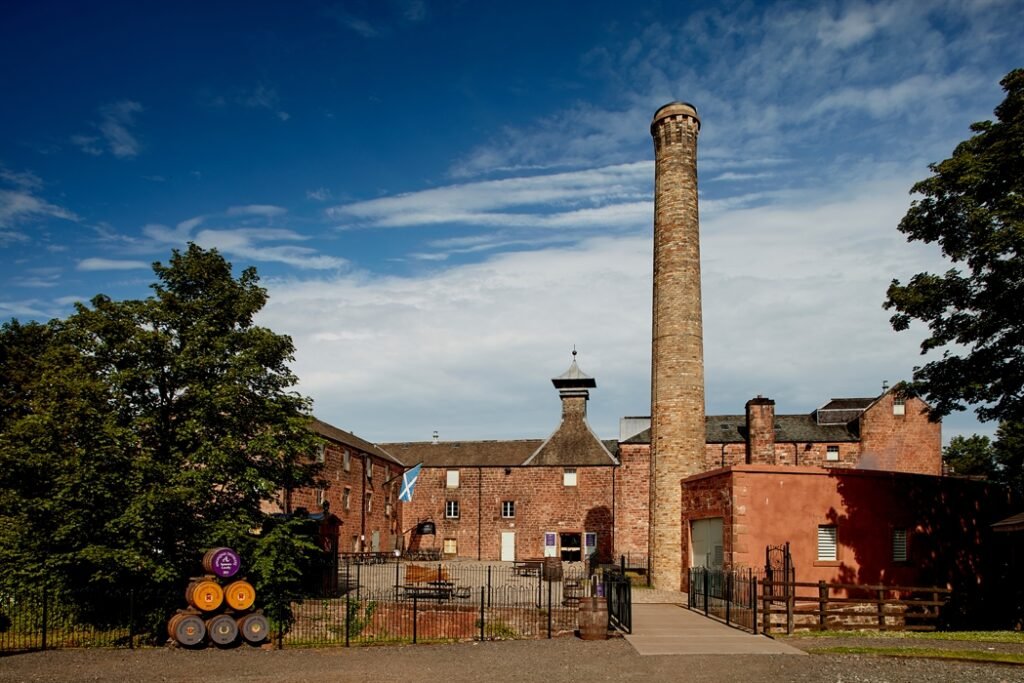
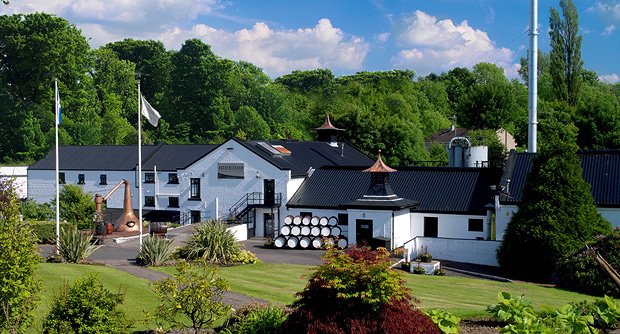
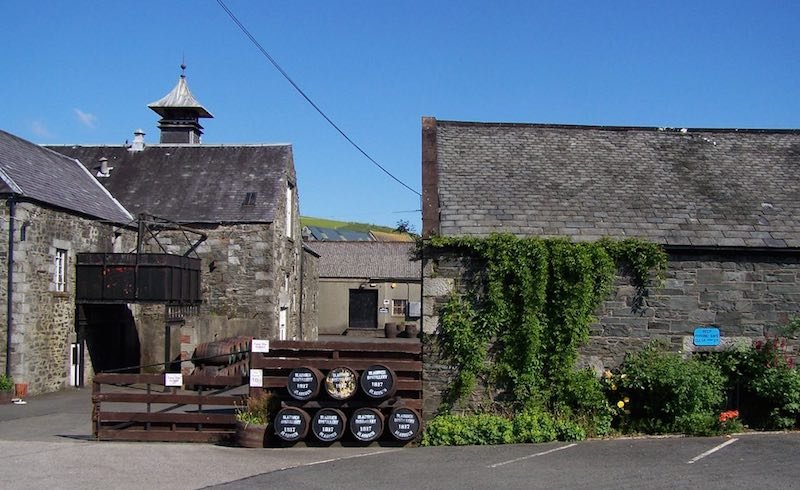
Islay is a small island off the west coast of Scotland, and has a long history of whisky production dating back to at least the 18th century. At the time, there were a large number of small distilleries on the island that produced whisky for local consumption.
In the 19th century, however, the whisky industry in Islay declined due to a combination of factors, including increased taxation, competition from other regions, and the rise of blended whisky.
Today, there are eight active distilleries on the island, each of which produces its own unique style of Islay whisky.
Flavor Profile
Islay whisky is known for its powerful, smoky, and peaty flavor profile. This is due in part to the fact that the malt used to produce Islay whisky is typically dried using peat smoke, which gives the whisky its distinctive smoky flavor.
In addition, Islay whisky is often aged in barrels that were previously used to age sherry or other fortified wines. This gives the whisky a rich, complex flavor that is often described as “peaty,” “smoky,” or “medicinal.”
Serving and Pairing
Islay whisky is best enjoyed neat or with a few drops of water. It is typically served in a tulip-shaped glass, which helps to concentrate the aroma and enhance the drinking experience.
In terms of pairing, Islay whisky pairs well with bold and flavorful foods, such as smoked salmon, oysters, and strong cheeses. It is also a good match for rich, hearty dishes, such as beef stew or roasted game.
Distilleries that Produce Islay Whisky
There are eight active distilleries on the island of Islay, each of which produces its own unique style of whisky. These distilleries include:
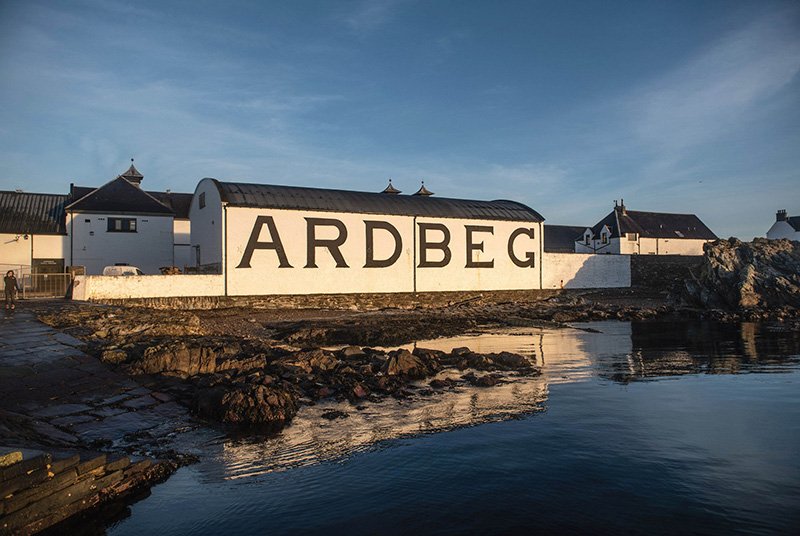
- Ardbeg
- Bowmore
- Bruichladdich
- Bunnahabhain
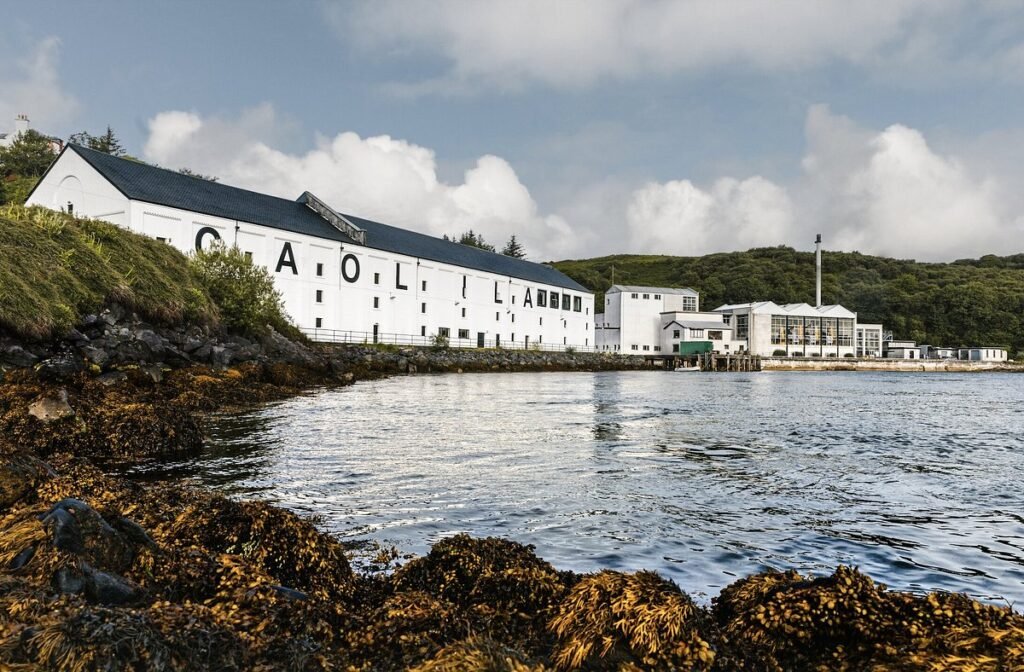
- Caol Ila
- Kilchoman
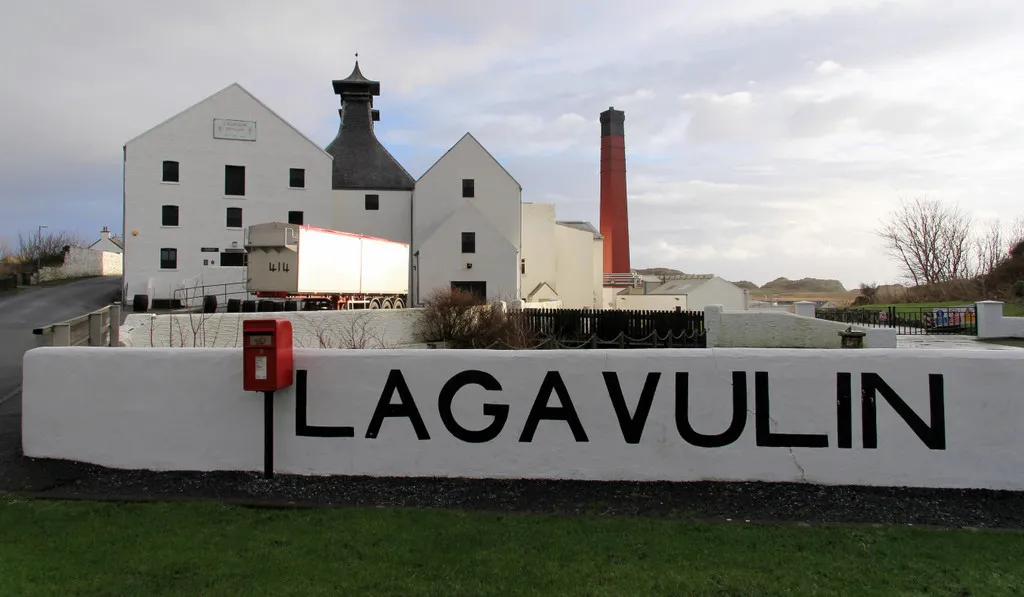
- Lagavulin
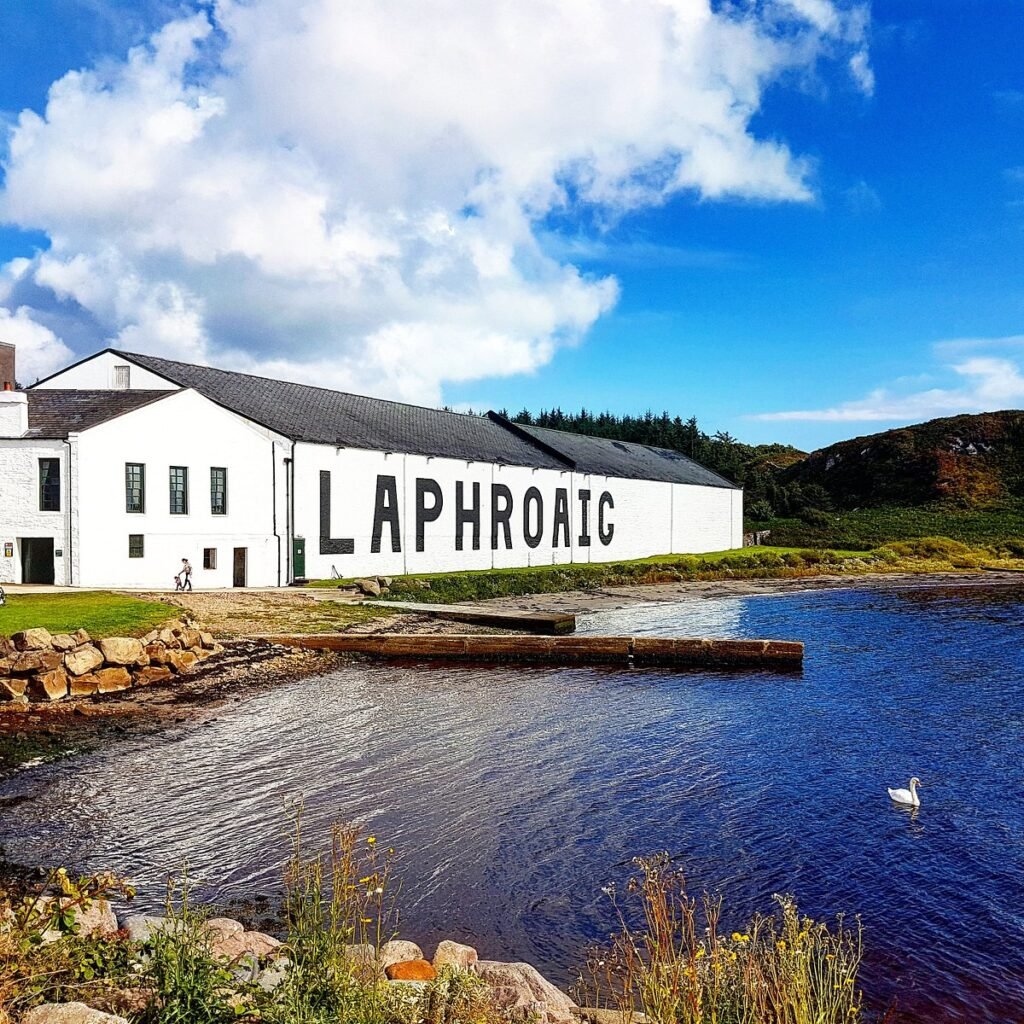
- Laphroaig
Each of these distilleries has its own unique history, flavor profile, and approach to whisky production. Some, like Ardbeg and Laphroaig, are known for their intense, smoky flavors, while others, like Bruichladdich, produce a lighter, more delicate style of Islay whisky.
Conclusion
Islay whisky is a unique and distinctive type of whisky that is known for its powerful, smoky, and peaty flavor profile. While the style of whisky may not be for everyone, Islay whisky has a loyal following of enthusiasts who appreciate its bold and complex flavors. If you’re a fan of peaty, smoky whiskies, Islay whisky is definitely worth exploring.
The Spirit of Speyside Whisky Festival: An Essential Guide to Scotland’s Iconic Event
Every year, whisky lovers from around the world gather in Scotland’s most famous whisky region for one of the industry’s most celebrated events. The Spirit of Speyside Whisky Festival is a six-day celebration featuring over 500 whisky-inspired events across Scotland’s largest whisky-producing region, where normally private distilleries open their doors to visitors. Since its launch in 1999, this festival has grown into one of the world’s premier whisky celebrations, attracting nearly 9,000 attendees annually.
You’ll discover exclusive access to world-renowned distilleries, rare whisky tastings, and behind-the-scenes experiences that aren’t available anywhere else. The festival offers something for everyone, from curious beginners to seasoned connoisseurs, with events ranging from intimate fireside tastings to hands-on barrel-making classes.
Whether you’re planning your first visit or returning for another year, understanding what makes this festival special will help you make the most of your time in whisky country. From the stunning Speyside landscape to the passionate craftspeople who create these exceptional whiskies, you’ll explore everything you need to know about this remarkable celebration of Scotland’s national drink.
What Is the Spirit of Speyside Whisky Festival?
The Spirit of Speyside Whisky Festival is Scotland’s largest whisky celebration, featuring over 500 events across six days in the heart of Speyside. This annual gathering transforms the region into a whisky lover’s paradise, opening distillery doors that remain closed throughout the rest of the year.
History and Origins
The Spirit of Speyside Whisky Festival began in 1999 as a way to celebrate Scotland’s most famous whisky region. The festival was created to showcase Speyside’s exceptional whisky heritage and bring together distilleries, local businesses, and whisky enthusiasts.
Speyside produces more whisky than any other region in Scotland. The area sits between Aberdeen and Inverness in the Moray region of North-East Scotland. The festival founders recognised this rich whisky-making tradition deserved proper celebration.
What started as a modest local event has grown into an internationally recognised festival. The festival now attracts visitors from over 35 countries each year. Local communities across Speyside embrace the festival, with venues ranging from village halls to historic castles.
The festival has maintained its authentic Scottish character throughout its growth. Local chefs, musicians, and artisans participate alongside world-famous distilleries.
Growth and Significance
The Spirit of Speyside has become one of the world’s largest whisky festivals. In 2025, the festival celebrated its 26th year with nearly 500 events across 89 venues.
The festival’s popularity continues to grow each year. Sales increased by 23% in the previous year, making it a record-breaking event. This growth reflects the festival’s reputation among serious whisky enthusiasts and casual drinkers alike.
Festival Scale:
- Duration: 6 days (typically late April to early May)
- Events: Nearly 500 whisky-inspired activities
- Venues: 89 different locations across Speyside
- Reach: Visitors from 35+ countries
The festival has significant economic impact on the region. Local hotels, restaurants, and shops benefit from thousands of international visitors. Many businesses plan their year around this busy festival period.
The Spirit of Speyside has helped establish Speyside as the premier whisky tourism destination. The festival showcases distilleries that normally operate behind closed doors.
Key Features of the Festival
The festival offers experiences for both beginners and whisky experts. Master distillers lead guided tastings throughout the week. You can attend rare cask samplings and whisky-pairing dinners at top restaurants.
Main Event Types:
- Distillery tours and behind-the-scenes access
- Whisky tastings led by industry experts
- Masterclasses on production and maturation
- Blending workshops
- Food and whisky pairing events
The festival extends beyond just whisky tasting. You’ll find live music performances, traditional ceilidhs, and art exhibitions. Outdoor activities include off-roading, trail running, and canoeing along the River Spey.
Venues span the entire Speyside region. Events take place from Elgin in the north to Kingussie in the south. You can visit Keith in the east and Forres in the west, following the River Spey to the sea.
The festival includes special programmes like the Whisky School and Spirit of Speyside Whisky Awards. These events happen alongside the main festival, creating a complete whisky education experience.
Where and When: The Setting of the Festival
The Spirit of Speyside Whisky Festival takes place in Scotland’s premier whisky region during a six-day celebration each May. The event spans across multiple venues throughout the Moray area, with over 50 distilleries participating in this world-renowned gathering.
Location in the Speyside Region
The festival occurs throughout Speyside, Scotland’s largest whisky-producing region. You’ll find this area in the northeast of Scotland, situated between Aberdeen and Inverness in the Moray region.
Speyside holds the distinction of being the most densely packed whisky region globally. The area contains over 50 active distilleries within its boundaries.
This concentration means you’ll encounter more single malt distilleries per square mile than anywhere else in the world. The region’s geography creates ideal conditions for whisky production, with pure water sources and favourable climate.
During the festival, nearly all of these distilleries open their doors to visitors. Many facilities that remain closed to the public throughout the year become accessible during this special event.
Annual Dates and Duration
The 2025 Spirit of Speyside Whisky Festival runs from 30th April to 5th May. This six-day event has become an annual tradition for whisky enthusiasts worldwide.
The 2026 festival is scheduled for 29th April to 4th May. The event typically begins on a Wednesday and concludes the following Monday.
Each year brings approximately 500-700 whisky-inspired events across the festival period. The festival opens with an industry dinner, followed by public events throughout the weekend.
The annual ceilidh on 2nd May provides a traditional Scottish cultural experience for visitors. This timing in late spring offers pleasant weather for exploring the Scottish Highlands.
Notable Venues and Distilleries
The festival utilises approximately 89 venues across the Speyside region. These locations range from world-famous distilleries to local community centres and hotels.
For 2025, the Macdonald Highlands Hotel in Aviemore serves as a key venue. This represents a break from tradition, as organisers expand beyond traditional Speyside boundaries.
Major distilleries participating include both household names and smaller craft producers. You’ll have access to facilities typically closed to the public during regular months.
Key venue types include:
- Active production distilleries
- Visitor centres with tasting rooms
- Historic whisky warehouses
- Local hotels and restaurants
- Community halls and cultural centres
The festival programme ensures geographical spread across the region, allowing you to explore different areas whilst attending events.
Must-Attend Festival Events
The Spirit of Speyside Whisky Festival offers over 650 events across 85 venues throughout the six-day celebration. The festival combines rare whisky experiences with Scottish culture through distillery visits, elegant dinners, traditional music, and expert-led masterclasses.
Distillery Tours and Tastings
Behind-the-scenes distillery access forms the heart of the Spirit of Speyside Whisky Festival experience. Over 50 distilleries open their doors during the festival week.
You’ll meet master distillers and production teams who share their craft knowledge. These tours include areas normally closed to the public.
Rare whisky tastings feature expressions not available elsewhere. Distilleries showcase limited releases and cask-strength bottlings exclusively for festival guests.
The Malt Master Tour with Brian Kinsman at Glenfiddich offers direct access to one of Speyside’s most respected whisky makers. You’ll experience a private masterclass with the head distiller himself.
Dunphail distillery opens specifically during festival week. This provides rare access to Scotland’s newest whisky production facility.
Popular distillery experiences include:
- Glenfarclas helicopter flights with aerial distillery tours
- Private cask sampling sessions
- Production floor walkthroughs
- Warehouse tastings straight from the barrel
Opening Industry Dinner
The Opening Industry Dinner launches the festival each year at prestigious venues like the Macdonald Highlands Hotel in Aviemore. This elegant evening brings together whisky makers, industry experts, and festival guests.
Multi-course meals feature dishes paired with carefully selected Speyside whiskies. Each course highlights different flavour profiles and production techniques.
You’ll dine alongside master blenders, distillery owners, and whisky writers. The evening includes speeches from industry leaders and exclusive whisky presentations.
Networking opportunities connect you with fellow whisky enthusiasts from around the world. Many lasting friendships and business relationships begin at this opening event.
The dinner typically features rare bottlings and special releases available only to attendees. Past dinners have included whiskies aged 25 years or more.
Ceilidhs and Social Gatherings
Traditional Scottish ceilidhs blend Speyside whisky with authentic Highland culture. These gatherings feature live folk music, dancing, and communal whisky sharing.
Local musicians perform traditional Scottish songs whilst you sample regional whiskies. The atmosphere combines festival celebration with genuine Highland hospitality.
Fireside whisky tastings create intimate settings for sharing drams and stories. These smaller gatherings often take place in historic venues or distillery visitor centres.
Beach sip and paint sessions offer unique festival experiences combining whisky tasting with creative activities. You’ll enjoy Speyside drams whilst creating art inspired by the Scottish landscape.
Whisky-paired picnics showcase local food producers alongside regional distilleries. These outdoor events highlight the connection between Speyside’s agricultural heritage and whisky production.
Exclusive Masterclasses
Expert-led masterclasses provide deep knowledge about Speyside whisky production and appreciation. Industry professionals guide you through technical aspects of whisky making.
You’ll learn about malt preparation, fermentation, and distillation processes specific to the Speyside region. These sessions often include blind tastings to develop your palate.
Blending workshops teach the art of creating balanced whisky expressions. You’ll work with actual production samples to understand how master blenders craft final products.
Cask influence sessions explore how different wood types affect whisky flavour development. These classes compare the same spirit aged in various barrel types.
Advanced tasting techniques help you identify specific flavour compounds and production characteristics. You’ll develop vocabulary for describing complex whisky profiles.
Classes typically limit attendance to ensure personal attention from instructors. Many masterclasses include take-home samples or certificates of completion.
Unique Experiences and Activities
The Spirit of Speyside Whisky Festival offers hands-on learning opportunities through its dedicated whisky school programme and immersive cultural experiences that extend far beyond traditional tastings. You can explore the region’s heritage through outdoor adventures whilst enjoying carefully crafted food pairings that complement Scotland’s finest drams.
Whisky School
The Spirit of Speyside Whisky School provides structured learning programmes designed for both beginners and experienced enthusiasts. You can enroll in courses that run throughout the festival week, covering everything from basic whisky appreciation to advanced tasting techniques.
Expert-led sessions include master classes with renowned distillers and blenders. These intimate workshops typically accommodate small groups of 12-20 participants. You’ll learn about the whisky-making process from grain to glass.
The school offers specialised courses on different topics:
- Nosing and tasting fundamentals
- Cask influence on flavour development
- Regional whisky characteristics
- Blending workshops
Each session includes practical tastings of rare and exclusive whiskies. You receive tasting notes and educational materials to take home. The programme culminates in a celebration dinner where you can showcase your newfound knowledge.
Outdoor Adventures and Local Culture
Beyond the distilleries, you can explore Speyside’s natural beauty through guided walks and cultural tours. The festival incorporates the region’s stunning landscapes into whisky-focused experiences.
Guided heritage walks take you through historic whisky villages and along the River Spey. Local guides share stories about the area’s distilling history and point out landmarks significant to the whisky industry.
You can participate in traditional Scottish activities including:
- Ceilidh dancing events
- Live music performances at distilleries
- Highland games demonstrations
- Historical tours of cooperages
Photography workshops combine landscape photography with distillery visits. Professional photographers teach you to capture the essence of Speyside whilst learning about whisky production.
The festival also features artisan demonstrations where you can watch coopers crafting barrels and learn about traditional Scottish crafts that support the whisky industry.
Foodie Experiences and Pairings
The festival’s culinary programme showcases how Scottish cuisine complements whisky flavours. You can attend multi-course dinners where each dish is specifically paired with different Speyside expressions.
Whisky and food pairing sessions explore unexpected combinations. Professional chefs demonstrate how different whiskies enhance flavours in chocolate, cheese, and local seafood. These intimate tastings typically feature 4-6 pairings.
You’ll discover local produce at special market events:
- Highland beef and aged whisky combinations
- Fresh salmon with peated expressions
- Scottish tablet and honey-finished whiskies
- Artisanal cheeses from local producers
Pop-up restaurants appear at various distilleries throughout the festival. Renowned chefs create temporary dining experiences in unique settings like barrel warehouses and tasting rooms.
Cooking workshops teach you to prepare traditional Scottish dishes using whisky as an ingredient. You learn techniques for incorporating whisky into sauces, marinades, and desserts whilst understanding how cooking affects the spirit’s flavour profile.
Spotlight on Speyside Whisky and Distilleries
Speyside stands as Scotland’s most densely packed whisky region with over 50 active distilleries producing 60% of Scotland’s single malt whisky. The Spirit of Speyside festival showcases these iconic producers alongside their distinctive smooth, elegant whisky styles that have earned global recognition.
The Distilleries Involved
Speyside hosts more than 50 working distilleries, making it the most populous whisky region in Scotland. You’ll find legendary names like The Macallan, Glenlivet, and Glenfiddich leading the charge during the festival.
Many distilleries open their doors exclusively during the Spirit of Speyside festival. This gives you rare access to producers that remain closed to visitors throughout the rest of the year.
The festival spans across 85 venues throughout 19 villages and towns. You can visit everything from large commercial operations to smaller craft distilleries that define the region’s character.
Key distillery experiences include:
- Guided tours through production facilities
- Behind-the-scenes access to warehouses
- Meet-the-maker sessions with distillery staff
- Exclusive tastings of limited releases
Signature Speyside Whisky Styles
Speyside whiskies are known for their elegant and refined character. You’ll typically find smooth, approachable drams with subtle complexity that appeals to both newcomers and experienced drinkers.
The region’s whiskies often showcase honey, apple, and pear notes. These fruity characteristics come from the pure Highland water and traditional production methods used across Speyside distilleries.
Many Speyside expressions feature sherry cask influence. This adds rich, dried fruit flavours and deeper colour to the final product.
Common tasting notes you’ll encounter:
- Light, floral aromas
- Vanilla and caramel sweetness
- Gentle spice on the finish
- Creamy, smooth mouthfeel
Award-Winning Whiskies
Speyside distilleries consistently win top honours at international whisky competitions. The region’s reputation for quality attracts whisky enthusiasts from around the globe to the festival.
The Macallan regularly claims awards for its sherry-matured expressions. Their 18-year-old consistently ranks among the world’s finest single malts.
Glenlivet holds the distinction of being Speyside’s first legal distillery. Their 12-year-old remains one of the best-selling single malts worldwide.
During the festival, you can taste award-winning expressions that showcase why Speyside whisky commands such respect. Limited releases and cask-strength bottlings often debut at these events, giving you first access to future award winners.
Visitor Information and Planning Advice
The Spirit of Speyside Whisky Festival requires advance planning with tickets selling out quickly and accommodation filling up months ahead. The festival runs for six days in late April to early May, with transport links connecting the region to major Scottish cities.
Tickets and Booking Details
Tickets for the Spirit of Speyside Whisky Festival go on sale early in the year. The festival offers over 700 different events across six days, with various packages available.
Early booking is essential as events sell out quickly due to the festival’s popularity. Popular events like the Spirit of Speyside Whisky School fill up particularly fast.
You can choose from individual event tickets or multi-event packages. The Whisky School runs for three and a half days, offering in-depth lectures and behind-the-scenes distillery visits.
Special events include the industry dinner on Wednesday 30th April and the annual ceilidh on 2nd May. Both take place at the Macdonald Highlands Hotel in Aviemore.
Getting to Speyside
Speyside sits between Aberdeen and Inverness in Scotland’s north-east. The region has good transport links by rail, bus, and car.
By train: Services run to nearby stations with connecting bus routes into Speyside. The rail network connects to major Scottish cities including Edinburgh and Glasgow.
By car: Speyside is accessible via major roads from both Aberdeen and Inverness. Parking can be limited during festival days, so arrive early.
Local transport: Taxis, private hire vehicles, and buses operate throughout the region. Coach hire is available for larger groups visiting multiple distilleries.
Accommodation Options
Speyside’s small towns and villages fill up quickly during the festival period. Book accommodation as early as possible to secure your preferred location.
Local villages: Stay in traditional Scottish villages close to the distilleries. Options include bed and breakfasts, small hotels, and self-catering properties.
Nearby towns: Larger towns like Aviemore offer more accommodation choices. The Macdonald Highlands Hotel hosts some festival events.
Alternative bases: Consider staying in Aberdeen or Inverness with daily travel to Speyside. This provides more accommodation options but requires longer travel times.
Self-catering properties work well for longer stays. Many visitors book the same accommodation annually, so popular spots become unavailable months in advance.
Economic and Cultural Impact
The Spirit of Speyside Whisky Festival generates millions of pounds for the local economy whilst serving as a vital guardian of Scotland’s whisky heritage. The event brings together traditional craftsmanship with modern tourism to create lasting benefits for the Speyside region.
Benefits to the Local Economy
The festival delivers substantial economic returns to Speyside businesses each year. In 2024, the event generated over £2.2 million for the local economy, building on previous growth from £1.47 million in 2012 to £2.1 million in 2014.
Key Economic Indicators:
- Nearly 9,000 tickets sold in 2024
- £450,000 in total sales revenue
- Visitors from 37 countries
- Over 50% of tickets sold to overseas visitors
You’ll find businesses across the region benefit from increased trade during the six-day festival. Hotels, restaurants, and shops see direct spending from the thousands of visitors who travel to experience Speyside’s whisky culture.
The festival supports over 600 events with 74 members and 43 partners. This creates temporary employment opportunities and boosts income for local suppliers throughout the event period.
Festival’s Role in Preserving Tradition
The Spirit of Speyside Whisky Festival actively preserves Scotland’s whisky-making heritage through educational experiences and traditional crafts. You can participate in coopering masterclasses that teach centuries-old barrel-making techniques essential to whisky production.
The festival showcases authentic Speyside traditions beyond distilling. Events include traditional music performances, Highland culture celebrations, and demonstrations of historical whisky-making methods.
Local distilleries use the festival to share their unique stories and production techniques. This helps preserve knowledge that might otherwise be lost as the industry modernises.
The annual whisky awards recognise excellence in traditional craftsmanship. These awards encourage distillers to maintain high standards whilst honouring time-tested methods passed down through generations of Speyside whisky makers.